
Canadian Dental Care Plan (CDCP) patients welcome. Check eligibility

Preserve your natural tooth

Treat pulpal infection while retaining your natural tooth.

Root canal therapy removes inflamed or necrotic pulpal tissue from inside a tooth. The canal system is cleaned, shaped, disinfected and sealed to reduce microbial contamination and allow the surrounding tissues to heal.

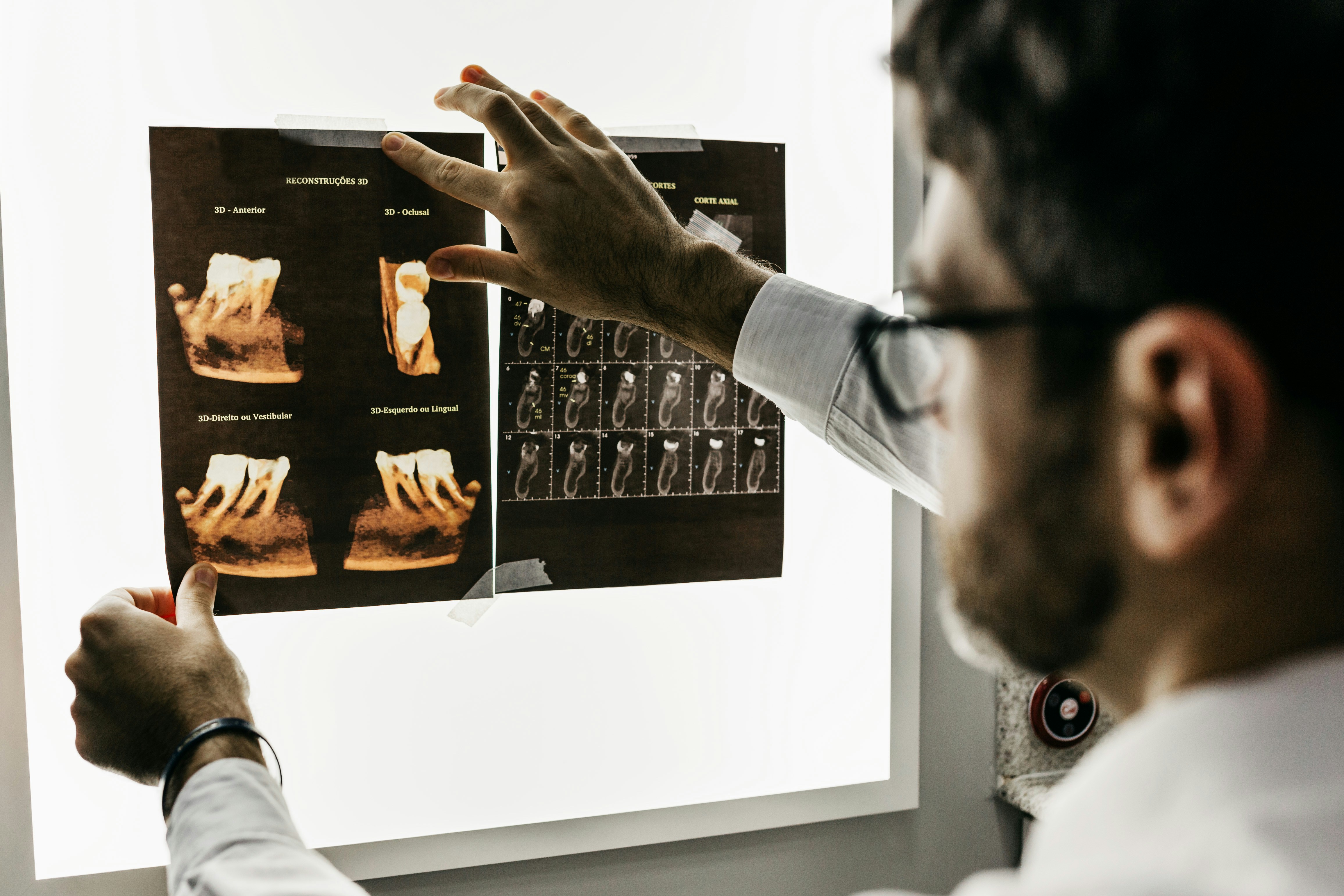
Clinical setting representing root canal therapyRoot Canal Therapy

Clinical indications

When this service may be considered

Spontaneous or lingering tooth pain

Deep caries involving the pulp

A tooth with pulpal necrosis or an apical lesion

Traumatic dental injury

A cracked tooth with irreversible pulpal inflammation

What care can include

A plan built around your diagnosis

Pulpal and periapical diagnosisLocal anaesthesia and isolationCanal instrumentation and irrigationThree-dimensional obturation and coronal seal

Treatment pathway

What to expect

01

Endodontic testing

Symptoms, radiographs, percussion, palpation and pulp tests help establish the diagnosis.

02

Cleaning and disinfection

The canal space is accessed, instrumented and irrigated under dental dam isolation.

03

Seal and restore

The canal system is filled and the tooth receives a protective definitive restoration when indicated.

Practical decision guide

Understanding the main treatment pathways

The decision is based on the pulpal diagnosis, remaining tooth structure, periodontal support, restorability and your goals—not on pain intensity alone.

PathwayPrimary goalWhat needs to be evaluated
Root canal therapy and restorationDisinfect the canal system and retain the natural toothCracks, remaining structure, periodontal support and final restoration
Extraction and replacement planningRemove a tooth that cannot be predictably retainedReplacement need, bone preservation, healing and implant, bridge or denture options
Endodontic consultationAssess complex anatomy, retreatment or persistent diseasePrevious treatment, imaging, procedural complexity and prognosis
Real-world example

Example: a dark area on an X-ray without pain

A tooth can lose pulpal vitality without strong symptoms. Pulp tests, examination and imaging help determine whether the finding represents endodontic disease, whether the tooth is restorable and whether treatment or specialist assessment is appropriate.

An examination is needed to determine whether this example applies to you.

Patient questions

Common questions about root canal therapy

Can a tooth need root canal treatment even if it does not hurt?

Yes. Pulpal necrosis and inflammation around a root can sometimes develop with few symptoms. Diagnosis combines history, clinical tests and imaging.

Will the tooth need a crown afterward?

It depends on tooth position and remaining structure. Back teeth often need cuspal protection because they carry strong chewing forces; the definitive restoration is planned case by case.

Dental technology & materials

Recognized manufacturers in this field

These manufacturer marks identify examples of established dental technologies or materials associated with this area of care.

Manufacturer names and trademarks belong to their respective owners. Their appearance is for patient education and does not confirm affiliation, endorsement, product availability or use in your individual treatment. Please ask the clinic which materials or systems are appropriate and available.
About this informationThis page provides general patient education checked against the sources listed above. It cannot diagnose a condition or replace an examination, imaging when indicated, or advice based on your individual health.

Personalized treatment planning

The right option starts with the right diagnosis.

Schedule an examination to discuss your concerns, clinical findings and individualized treatment alternatives.

Request an Appointment
CallBook a Visit