
Canadian Dental Care Plan (CDCP) patients welcome. Check eligibility

Strength and function

Rebuild damaged teeth with conservative, durable solutions.

Restorative dentistry repairs teeth affected by caries, fracture, wear or large existing restorations. Treatment selection is based on the amount of remaining tooth structure, pulpal health, bite forces, aesthetics and long-term maintainability.

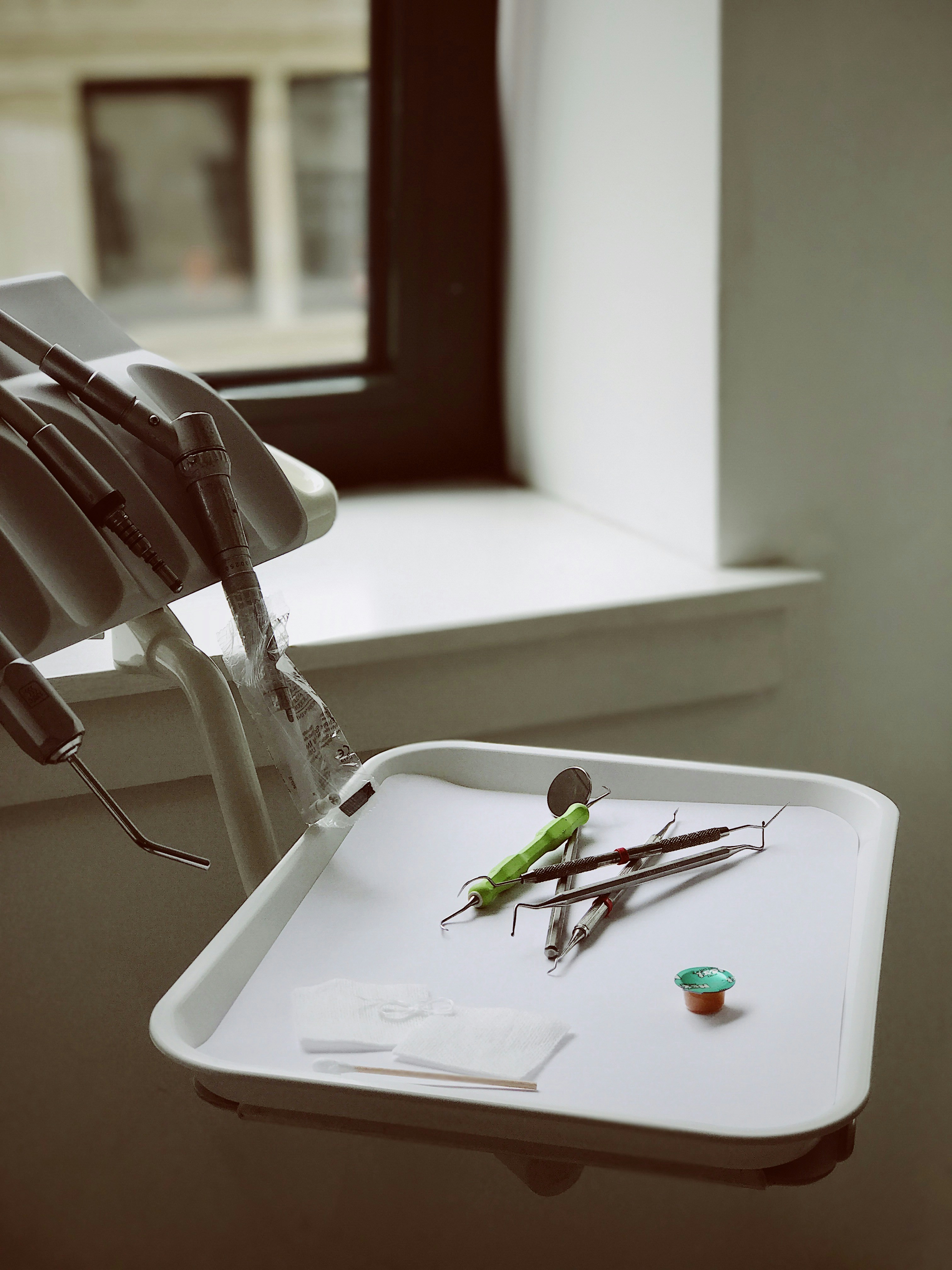
Clinical setting representing restorative dentistryRestorative Dentistry

Clinical indications

When this service may be considered

Cavities and defective fillings

Chipped, cracked or structurally weakened teeth

Heavily restored teeth requiring cuspal coverage

Missing teeth that may be restored with a bridge

Worn dentition and bite-related damage

What care can include

A plan built around your diagnosis

Tooth-coloured composite fillingsCeramic inlays and onlaysFull-coverage crownsConventional fixed bridges

Treatment pathway

What to expect

01

Diagnosis and design

Clinical examination and imaging determine the extent of damage and the most conservative predictable option.

02

Tooth preparation

Compromised tissue and restorative material are removed while preserving sound structure whenever possible.

03

Definitive restoration

The restoration is shaped, bonded or cemented, then adjusted to your occlusion.

Practical decision guide

Comparing common ways to restore a damaged tooth

The most conservative predictable restoration depends on how much healthy tooth remains, where the damage is located and how the tooth functions in your bite.

RestorationOften considered whenImportant discussion points
Direct fillingDamage is limited and enough tooth remains to support a direct materialLocation, moisture control, bite forces, appearance and material selection
Inlay or onlayA larger area or one or more cusps needs reinforcement without covering the entire toothRemaining enamel, laboratory or digital fabrication, cost and repairability
CrownThe tooth is extensively weakened, fractured or has a very large restorationPulpal health, required tooth preparation, material, margin care and long-term maintenance
Real-world example

Example: a cracked molar with a large filling

A photograph and bite assessment may show whether a bonded restoration can stabilize the tooth or whether cuspal coverage is more predictable. If symptoms suggest pulpal inflammation, endodontic testing may be needed before the final restoration is chosen.

An examination is needed to determine whether this example applies to you.

Patient questions

Common questions about restorative dentistry

Does every old filling need replacement?

No. Age alone is not a diagnosis. Replacement is considered when examination shows recurrent decay, fracture, open margins, loss of function or another clinical concern.

Why might a tooth need a crown instead of a filling?

A filling relies on the remaining tooth for support. When too much structure is missing or the cusps are at risk of fracture, a restoration that covers and reinforces the tooth may be considered.

Information sourcesGeneral patient education prepared with reference to:Canadian Dental Association: fillings Canadian Dental Association: crowns

Dental technology & materials

Recognized manufacturers in this field

These manufacturer marks identify examples of established dental technologies or materials associated with this area of care.

Manufacturer names and trademarks belong to their respective owners. Their appearance is for patient education and does not confirm affiliation, endorsement, product availability or use in your individual treatment. Please ask the clinic which materials or systems are appropriate and available.
About this informationThis page provides general patient education checked against the sources listed above. It cannot diagnose a condition or replace an examination, imaging when indicated, or advice based on your individual health.

Personalized treatment planning

The right option starts with the right diagnosis.

Schedule an examination to discuss your concerns, clinical findings and individualized treatment alternatives.

Request an Appointment
CallBook a Visit