
Canadian Dental Care Plan (CDCP) patients welcome. Check eligibility

Restore chewing and confidence

Personalized prosthetic solutions for comfortable daily function.

Removable prosthodontic treatment replaces missing teeth and supporting tissues. Design depends on the number and position of remaining teeth, ridge anatomy, bite relationships, dexterity, aesthetics and whether implant support is appropriate.

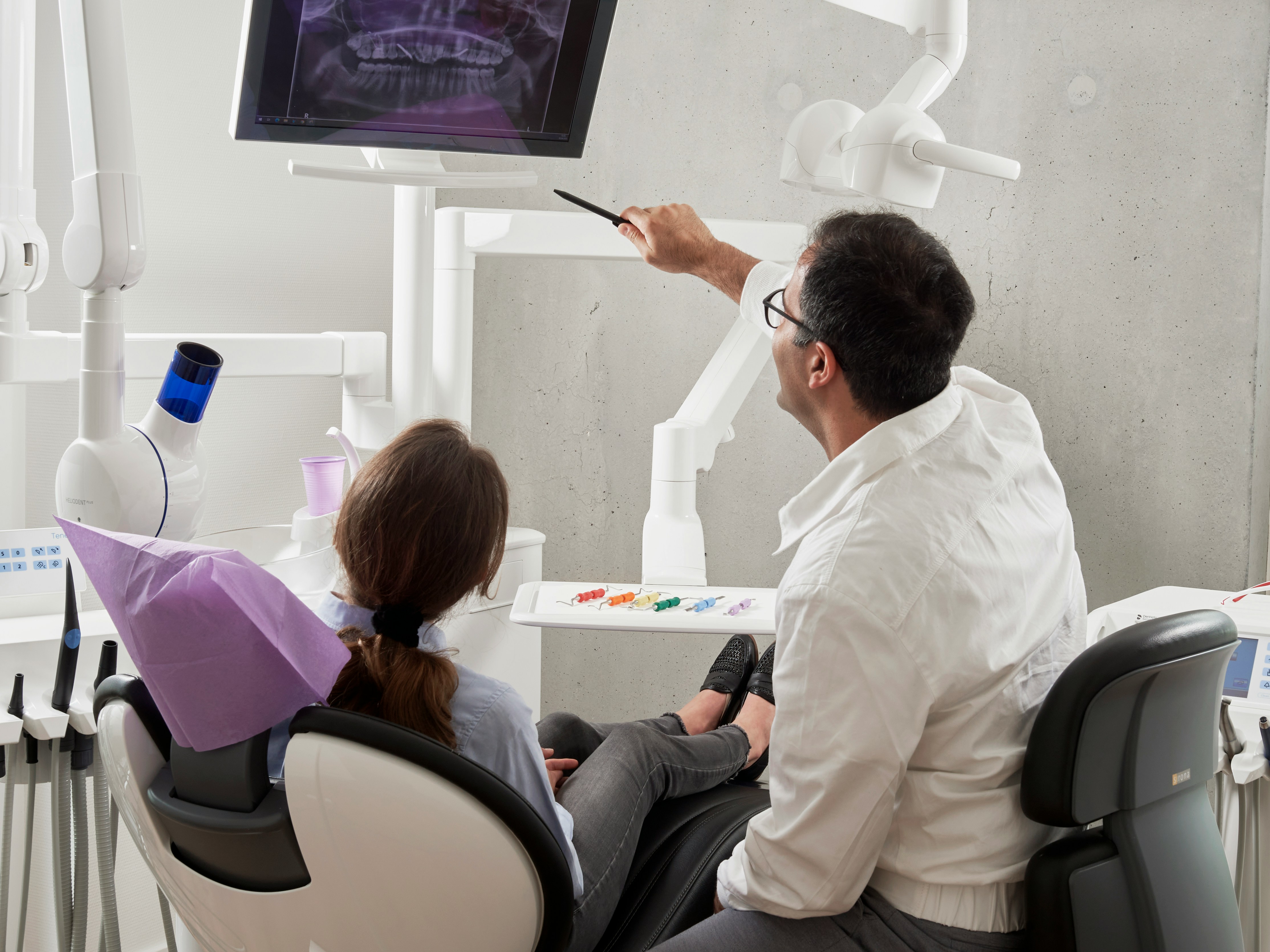
Clinical setting representing dentures & tooth replacementDentures & Tooth Replacement

Clinical indications

When this service may be considered

Multiple missing teeth

Complete tooth loss in one or both arches

Replacement after planned extractions

Existing loose, worn or fractured dentures

Patients considering implant-retained overdentures

What care can include

A plan built around your diagnosis

Complete denturesCast or acrylic partial denturesImmediate denturesImplant-retained overdentures

Treatment pathway

What to expect

01

Prosthetic assessment

We evaluate support, retention, bite, speech, appearance and remaining teeth or implants.

02

Records and try-in

Impressions, jaw records and a trial arrangement guide fit, tooth position and appearance.

03

Delivery and adaptation

The prosthesis is inserted, adjusted and reviewed as oral tissues adapt.

Practical decision guide

Comparing removable tooth-replacement options

Fit and function depend on oral anatomy, remaining teeth, bite, muscle control and maintenance—not only on the appearance of the prosthesis.

OptionTypical useAdaptation and maintenance
Partial dentureReplaces several teeth while some natural teeth remainClasps or attachments, cleaning around supporting teeth and periodic fit checks
Complete dentureReplaces all teeth in an arch and rests on oral tissuesSpeech and chewing adaptation, tissue changes, relines and replacement over time
Implant-retained overdentureA removable denture gains retention from dental implantsSurgery, attachment maintenance, daily removal and cleaning around implants
Real-world example

Example: a lower denture that moves while eating

The cause may include ridge changes, wear, bite imbalance or limited anatomical retention. Adjustment or relining may help, while selected patients may benefit from implant retention after medical, anatomical and maintenance factors are assessed.

An examination is needed to determine whether this example applies to you.

Patient questions

Common questions about dentures & tooth replacement

Should dentures be worn while sleeping?

They are usually removed during sleep unless your dentist gives different short-term instructions. Removal allows tissues to rest and creates time for thorough cleaning.

Why does a denture become loose over time?

Jaw ridges and soft tissues change after teeth are lost. Tooth wear and bite changes also affect fit, so periodic adjustment, relining or replacement may be needed.

Information sourcesGeneral patient education prepared with reference to:Canadian Dental Association: dentures Canadian Dental Association: dental implants

Dental technology & materials

Recognized manufacturers in this field

These manufacturer marks identify examples of established dental technologies or materials associated with this area of care.

Manufacturer names and trademarks belong to their respective owners. Their appearance is for patient education and does not confirm affiliation, endorsement, product availability or use in your individual treatment. Please ask the clinic which materials or systems are appropriate and available.
About this informationThis page provides general patient education checked against the sources listed above. It cannot diagnose a condition or replace an examination, imaging when indicated, or advice based on your individual health.

Personalized treatment planning

The right option starts with the right diagnosis.

Schedule an examination to discuss your concerns, clinical findings and individualized treatment alternatives.

Request an Appointment
CallBook a Visit